How to Build a Custom Event Menu in New Orleans
Planning an event in New Orleans should be exciting, but it often starts with stress. You want your guests to remember the celebration, not just attend it. The food matters more than you think, it’s often what guests talk about afterward. That’s why building a custom event menu is one of the most important decisions you’ll make.
Whether you’re hosting a wedding, corporate event, or birthday celebration, a custom event menu ensures that the food reflects your vision, your style, and the flavors of New Orleans. The challenge? Knowing where to start.
Why the Right Event Menu Matters in New Orleans
Food in New Orleans isn’t just nourishment, it’s culture. It’s connection. Choosing a one-size-fits-all menu risks disconnecting from your audience, especially in a city known for its culinary depth.
A well-planned menu enhances guest experience. It aligns with the tone of the event, meets dietary needs, and delivers the unique taste of the Crescent City. You’re not just serving dishes; you’re creating moments.
How to Start Crafting a Custom Event Menu That Fits Your Occasion
Every event is different. Start by identifying the type of gathering and the mood you want to create. Is it formal? Casual? Intimate? Grand?
Once you’ve defined the atmosphere, think through these core elements:
Guest Preferences and Dietary Needs
New Orleans cuisine is rich, but not always inclusive of every dietary choice. Know your guest list. Will you need vegan or gluten-free options? Does anyone have allergies? This isn’t about restrictions, it’s about respect.
Planning with these needs in mind avoids awkward moments at the table. More importantly, it ensures every guest feels seen.
Time of Day and Style of Service
Brunch, lunch, or dinner? Cocktail-style or plated meals? The timing and serving format change everything.
A cocktail party might call for smaller bites like crawfish beignets or mini muffulettas. A sit-down dinner could feature Gulf fish with creole sauce or duck confit with dirty rice. Each format demands a different structure for your custom event menu.
The Value of Local Ingredients and Cultural Relevance
Local ingredients aren’t just trendy, they’re better. Fresher produce, locally caught seafood, and seasonal items elevate both taste and quality.
This is especially true in New Orleans, where sourcing local ties your menu to the region’s identity. Oysters from the Gulf, boudin from Acadiana, and heirloom tomatoes grown nearby create authenticity. Your guests may not notice every ingredient, but they’ll taste the difference.
Cultural relevance also plays a role. A menu that reflects the roots of Creole, Cajun, African, French, and Spanish traditions honors the spirit of the city.
Custom Event Menu Considerations for Weddings and Milestone Events
Weddings and large celebrations come with emotional weight, and expectations. It’s not just about the couple or host. It’s about how everyone experiences the day.
Food becomes symbolic. For a wedding venue in NOLA, the menu is one of the defining features that ties everything together, setting, music, décor, and the city’s unmistakable spirit.
For these types of events, your menu should:
- Reflect shared memories or family recipes
- Include multiple courses with variety
- Consider pacing (no one likes waiting too long between dishes)
- Include late-night snacks or dessert bars for added joy
You’re not just feeding people. You’re telling a story. And a custom menu helps you do that with flavor and finesse.
How to Work with Caterers and Chefs to Design the Right Menu
Building a custom event menu doesn’t mean doing it alone. In fact, collaboration is the key to success.
Find a caterer or chef with experience in New Orleans-style events. Look at past work. Do they understand the nuances of the cuisine? Are they open to your ideas?
Approach the conversation with a framework in mind:
- Share your story : Why are you hosting this event? What does it mean to you?
- Clarify your budget : Transparency here avoids stress later.
- Discuss your guests : Age range, preferences, dietary needs.
- Be open to suggestions : A good chef knows what works logistically and what can elevate your original vision.
Use tasting sessions to refine. Notice how dishes feel, not just how they taste. Is it too heavy? Too spicy? Not bold enough? Let feedback guide your final choices.
Sample Menu Inspiration: Local Flavors with a Personal Twist
To spark ideas, consider how traditional dishes can be customized:
- Passed Appetizers: Shrimp remoulade tartlets, fried green tomato bites, and andouille-stuffed mushrooms.
- Main Courses: Blackened redfish with corn maque choux, slow-roasted cochon de lait, or grilled vegetable napoleon with Creole tomato coulis.
- Sides: Smothered okra, crab boil potato salad, and dirty rice.
- Desserts: Praline bread pudding, mini king cakes, or bananas foster flambé stations.
Menus like this don’t just satisfy, they surprise. They take what’s expected and add personality.
What to Avoid When Creating a Custom Menu
It’s easy to get swept up in choices. Too many items can confuse or overwhelm your guests, and your kitchen staff.
Avoid:
- Offering too many similar dishes (three types of pasta is overkill)
- Ignoring drink pairings (cocktails and mocktails matter too)
- Forgetting flow, appetizers should set the tone, mains should impress, and desserts should leave guests with a smile
Be intentional. Curate, don’t cram.
Custom Event Menus for Corporate Events and Fundraisers
The stakes are different for business gatherings. You’re balancing formality with enjoyment, trying to impress while staying within brand voice.
Focus on menus that reflect professionalism but still feel local:
- Buffet-style gumbo and jambalaya stations
- Interactive build-your-own po’boy bars
- Coffee and chicory crème brûlée for a sweet finish
These choices strike a balance, respectful, engaging, and unmistakably New Orleans.
Where to Host: The Role of Venue in Menu Planning
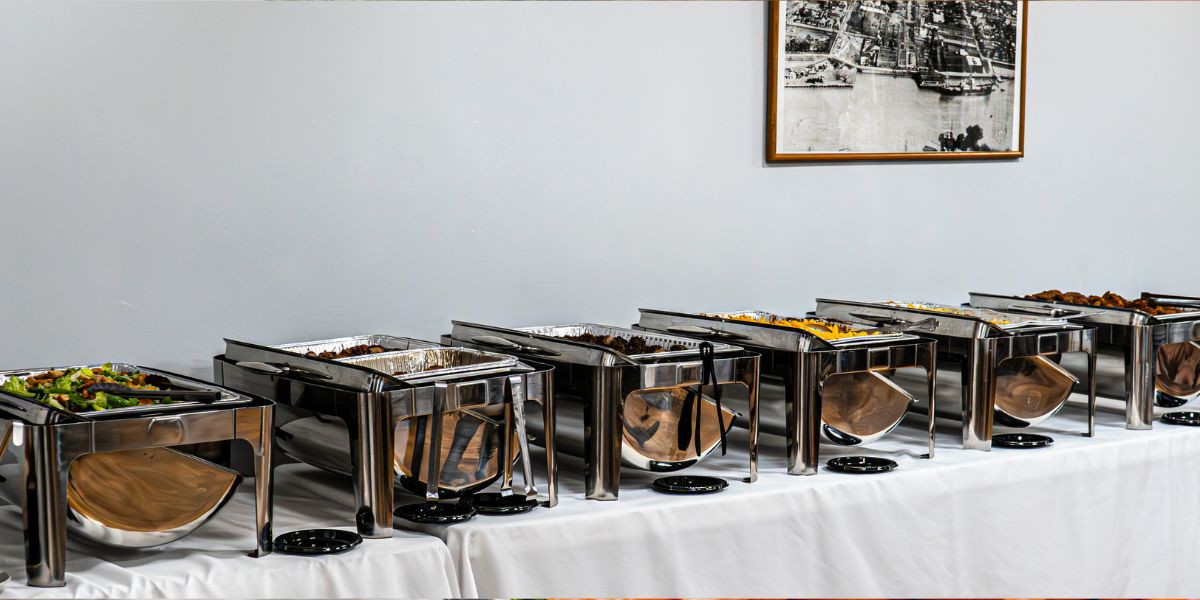
Your venue affects your menu more than you think. Some locations have kitchen limitations. Others have exclusive catering contracts. Always ask what’s possible before finalizing your menu.
When choosing a wedding venue in NOLA or any event space, consider:
- Kitchen access
- Staff-to-guest ratio
- Experience with local menus
- Flexibility with vendors
Your menu and venue should work together, not compete.
Final Thoughts: Let the Food Reflect the Moment
Creating a custom event menu in New Orleans isn’t about extravagance. It’s about meaning. It’s about making thoughtful decisions that shape how people feel at your event.
You’re not just choosing dishes, you’re crafting memories.
Take the time. Ask the right questions. Taste carefully. When it all comes together, your guests won’t just eat. They’ll feel something. And that’s the magic of doing it right.