How to Plan the Perfect Wedding Without Guests
For many couples, the idea of a big wedding is anything but romantic. It’s expensive, overwhelming, and full of social pressure. You’re expected to invite people you haven’t spoken to in years, spend months planning a single day, and then play host instead of being fully present. It’s no wonder more couples are now seeking an alternative: a wedding without guests.
This might sound lonely at first. But a closer look reveals something different, freedom, intimacy, and peace. Planning a wedding without guests allows you to focus on what truly matters: your commitment, your experience, and your story.
Why Choose a Wedding Without Guests?
For some, the choice is rooted in anxiety. The thought of standing in front of a crowd, managing conversations, and trying to keep everyone happy is emotionally exhausting. Others may be drawn by financial realities. Weddings with guests cost thousands, on food, décor, rentals, and venues scaled for a crowd.
There’s also something deeper. Without guests, you’re free to design a day that reflects your values instead of other people’s expectations. You’re no longer navigating a list of opinions; you’re making decisions based on what makes you feel most connected and alive.
Planning a Wedding Without Guests: Where to Start
Start with the same core question every couple faces: what kind of experience do you want to have? When you strip away the seating charts and social obligations, you’re left with a powerful blank canvas. Use it wisely.
Set Your Intentions Clearly
This might be the most important part of the entire process. Why do you want a guest-free wedding? Is it to eliminate stress? To keep the focus on your partner? To reduce costs? Your answer will shape everything that follows.
Write your intentions down. They will act as your compass. If a decision feels off track, return to these guiding thoughts. They will help you maintain clarity and avoid slipping into the very pressures you’re trying to escape.
Choosing the Right Location
Without guests, your options open up significantly. You no longer need a space that seats 100 people or allows parking for 50 cars. You can choose a mountaintop, a beach, a quiet park, or even your backyard.
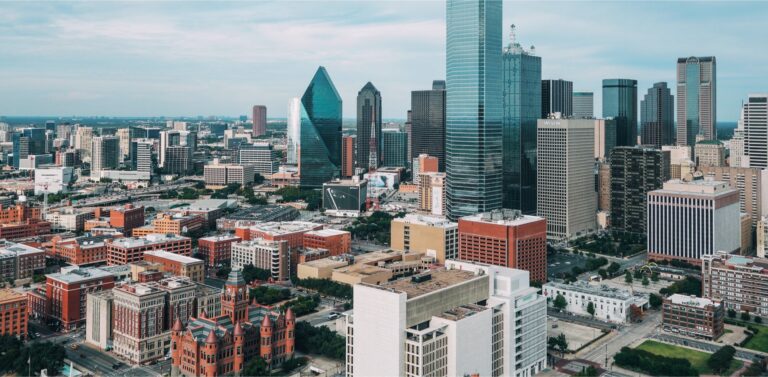
Many couples find beauty in destination elopements. For instance, if you’re looking for a romantic and intimate setting, you might consider a wedding venue in NOLA. New Orleans offers charm, music, and culture, without the chaos of a full guest list.
Hiring the Right Team
Even a small, guest-free wedding can benefit from professional support. A photographer will help capture the experience, a planner can assist with logistics, and an officiant can ensure the legal parts are handled smoothly.
Make sure your team understands your intentions. They should be comfortable with minimalism and know how to support a deeply personal celebration. This isn’t about creating Instagram content, it’s about being present in your own life.
Intimacy First: Making Your Day Meaningful Without an Audience
A wedding without guests isn’t just a smaller version of a big wedding. It’s a different kind of celebration altogether. You don’t need a long program or formal timeline. But you do need intention, presence, and authenticity.
Writing Your Own Vows
There’s no better moment for personal vows than a private ceremony. Without an audience, you can speak freely and vulnerably. You’re not performing, you’re connecting.
Don’t worry about poetic language. Just say what’s in your heart. What does this moment mean to you? What do you promise? What are you grateful for?
Creating a Ritual That Resonates
In large weddings, rituals are often for the benefit of the crowd. Here, they can be for you. Light a candle. Share a letter. Take a silent moment to breathe together. You’re free to create something symbolic, rooted in your values.
Some couples plant a tree. Others take a walk after exchanging rings. There are no rules, only what feels real.
Keeping It Legal Without the Crowd
Even if no one is watching, the paperwork still matters. Research the legal requirements in your area or destination. Many places allow self-uniting ceremonies, while others require a licensed officiant and witnesses.
Don’t assume it’s all simple, check in advance. Some couples choose to handle the legal part separately from the emotional ceremony. Others find joy in combining both. The key is to make sure nothing gets missed.
Embracing Minimalism in Wedding Design
With no guests, there’s less pressure to impress. That means your design choices can shift from pleasing others to pleasing yourselves. This is your chance to let go of Pinterest boards and focus on what you love.
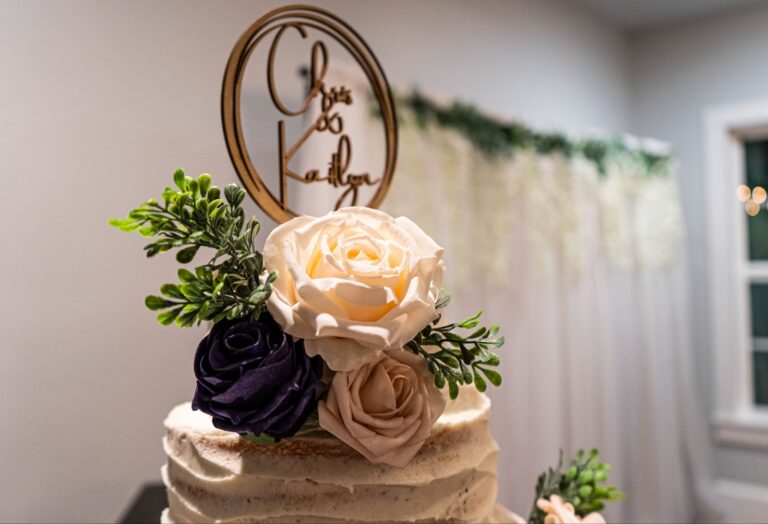
A single bouquet. A small cake. A vintage dress passed down from a grandmother. You don’t need much. In fact, the less you have, the more meaningful each detail becomes.
Photography Still Matters
Even without guests, your day deserves to be remembered. Hire a photographer whose style aligns with your emotional tone. Look for someone skilled in storytelling, not just posing.
Let them capture not just the ceremony, but the quiet moments before and after. The nervous laughter. The walk to the location. The way you looked at each other before you said your vows.
Should You Announce Your Wedding After?
This depends on your relationships. Some couples send an announcement after the fact, maybe with a photo and a short note. Others prefer to keep it fully private.
There’s no wrong choice, only what feels respectful to your values and your loved ones. If you’re worried about offending people, consider this: the people who love you will understand. And if they don’t, your wedding wasn’t for them anyway.
The Financial Upside of a Private Wedding
A traditional wedding can cost upwards of $30,000. A wedding without guests can be done beautifully for a fraction of that. The money saved can be redirected toward a honeymoon, a home, or long-term goals.
You’re not “cheapening” your wedding, you’re investing in your future. And you’re doing it in a way that reflects thoughtfulness, not excess.
Is It Selfish to Have a Wedding Without Guests?
This is a question many couples wrestle with. The answer is no. A wedding is about a union, not a party. If celebrating in solitude is what brings you peace and joy, it is not selfish, it is honest.
Being true to yourself is not an act of exclusion. It’s an act of courage. Your life is not a public performance. It’s a deeply personal story.
Final Thoughts: A Celebration of Clarity
A wedding without guests is not about absence, it’s about presence. Without distractions, expectations, or performance, you’re free to experience the moment as it truly is.
In a world that often rewards appearances, choosing authenticity is rare. But for those who do, the rewards are profound.
Whether you’re eloping in the mountains, exchanging vows in a hidden courtyard, or saying “I do” in a quiet wedding venue in NOLA, the power of the moment lies in its truth.
Not everyone will understand. But that’s okay. Because the moment is yours, and that’s what makes it perfect.