How Long is a Typical Wedding Ceremony and Reception?
“Time flies when you’re having fun.” And on your wedding day, nothing feels more true. But when you’re planning one of the biggest days of your life, knowing exactly how long the wedding ceremony and reception usually last isn’t just helpful—it’s essential for creating a stress-free, unforgettable experience.
Average Length of a Wedding Ceremony
So, how long does a wedding ceremony last on average? Most ceremonies run between 20 and 30 minutes, which is long enough to include vows, a ring exchange, and maybe a reading or two.
- Short & Sweet: Intimate elopements or modern ceremonies often take 10–15 minutes.
- Traditional Weddings: With multiple readings, personalized vows, and rituals, expect around 30–45 minutes.
- Religious & Cultural Ceremonies: A full Catholic mass can take over an hour, while Indian weddings, with multiple traditions, may span several hours across multiple days.
The average wedding ceremony length is about 30 minutes, but your traditions and preferences ultimately set the pace.
What Time Do Wedding Ceremonies Start?
Many couples ask, “What time do wedding ceremonies start?”
While there’s no strict rule, most U.S. weddings begin between 3:00 PM and 5:00 PM. This gives guests time to travel, ensures great lighting for photos, and flows naturally into the reception.
- Morning Weddings: Often chosen for brunch receptions or outdoor weddings in warmer climates.
- Afternoon Weddings: The most popular choice, balancing convenience for guests with perfect timing for evening receptions.
- Evening Weddings: Common in cultural traditions and ideal for glamorous, formal celebrations.
Your start time should reflect your venue availability, season, and theme. A sunset ceremony, for example, creates stunning golden-hour photos, while an early ceremony allows for a long night of dancing.
Wedding Timeline: The Full-Day Flow
When you ask how long the average wedding ceremony is, it’s just one part of a much bigger picture. Here’s a sample wedding-day timeline to help you see how everything fits together:
1. Pre-Ceremony (2–3 Hours)
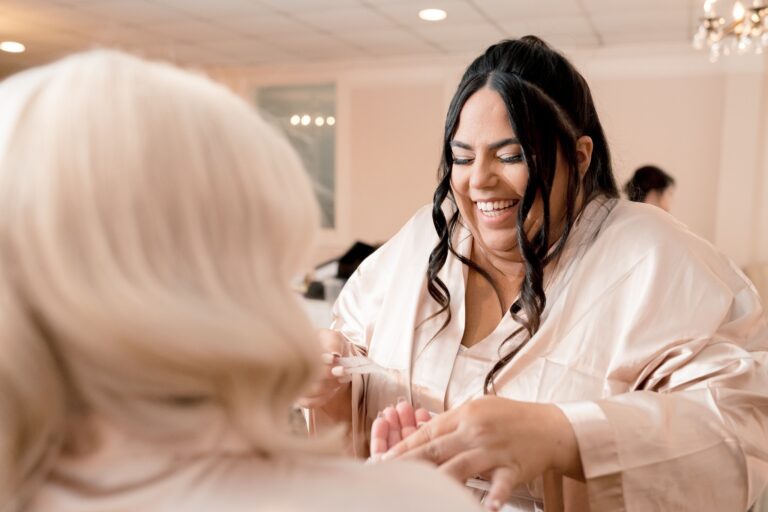
This is when the excitement builds. Brides and grooms are getting ready, hair and makeup artists are working their magic, and photographers capture those candid behind-the-scenes moments.
2. Ceremony (20–45 Minutes)
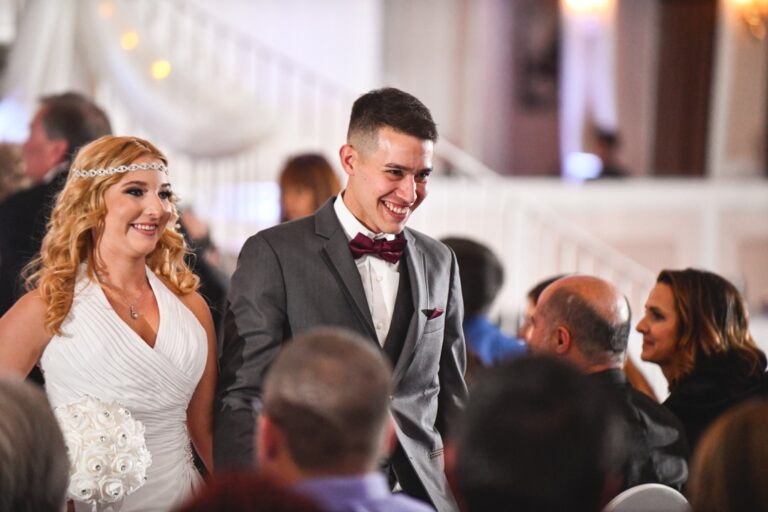
Here’s where the magic happens. The average wedding ceremony time allows for vows, readings, and traditions without feeling rushed.
3. Cocktail Hour (1 Hour)
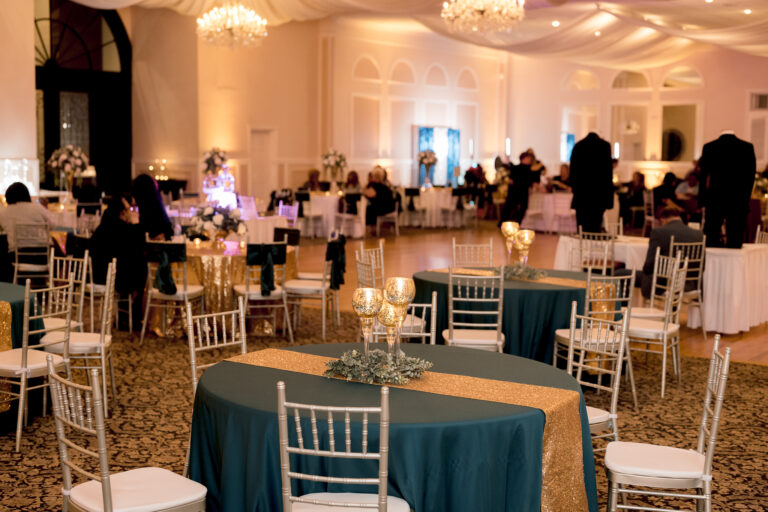
While the couple takes photos or enjoys a private moment, guests mingle with drinks and hors d’oeuvres. This transition period keeps the energy up while everyone waits for the reception.
4. Reception (4–5 Hours)
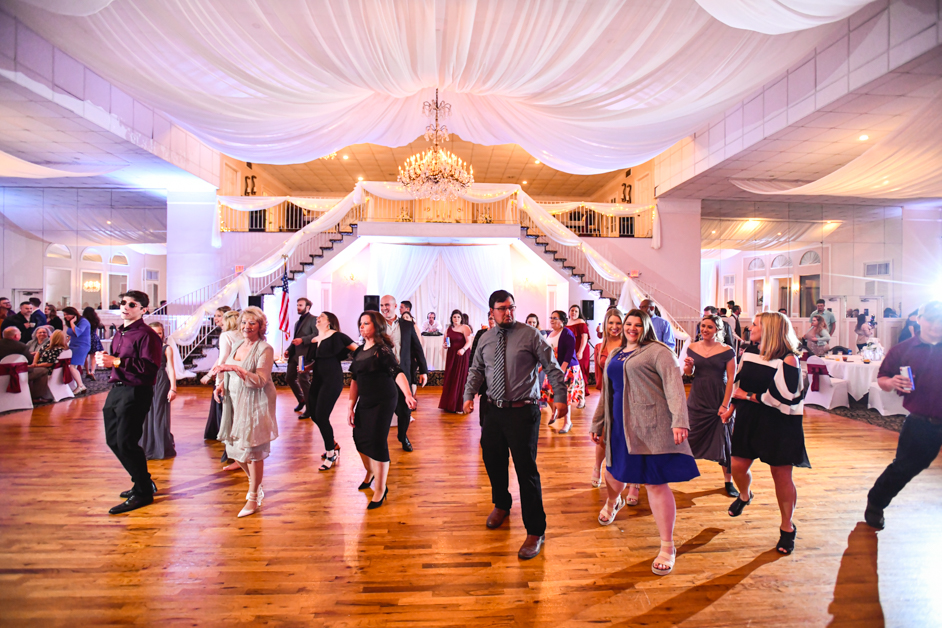
Dinner, toasts, the first dance, cake cutting, bouquet toss, and hours of dancing. The reception is the heart of your day, and reception programs are designed to last long enough for every tradition while leaving space to celebrate freely.
How Long Does a Wedding Reception Last?
While ceremonies are relatively short, receptions usually run longer—around 4 to 5 hours. This is enough time for:
- 1 Hour for Dinner Service (plated or buffet)
- 1–1.5 Hours for Speeches, Toasts & Special Dances
- 2 Hours or More for Open Dancing & Entertainment
Couples often ask, “Can a reception run longer?” The answer is yes—many venues allow late-night parties, especially in cities like New Orleans, where music and dancing are part of the culture.
Cultural and Religious Differences in Ceremony Timing
Not all weddings are the same. Here’s how average wedding ceremony time varies across traditions:
- Catholic Weddings: With a full mass, ceremonies may take 60–90 minutes.
- Jewish Weddings: About 30 minutes, though the celebrations afterward can last several hours.
- Hindu Weddings: Often last 2–3 hours, with rituals sometimes spread across multiple days.
- Civil Ceremonies: Typically 15–20 minutes, straightforward and to the point.
Knowing the average wedding ceremony length in your tradition helps set realistic expectations when planning your schedule.
Planning Tips to Keep Your Day on Track
Time is one of the biggest stress factors on a wedding day. Here’s how to manage it:
- Build Buffers: Add 10–15 minute cushions between major events to handle unexpected delays.
- Communicate Clearly: Share your timeline with vendors, coordinators, and your wedding party. Everyone performs better when they know the schedule.
- Hire a Coordinator: A day-of coordinator ensures you don’t have to watch the clock.
- Balance Energy: Don’t cram too much into one day. Guests will appreciate flow and comfort over constant rushing.
At The Four Columns, We Time It Right
At The Four Columns, we know how long the average wedding ceremony and reception are—not just by the numbers, but by the rhythm of real celebrations. Since 1977, we’ve hosted weddings ranging from intimate 50-guest gatherings to grand 400-person receptions.
Our team ensures:
- The ceremony runs smoothly without feeling rushed.
- Guests flow seamlessly from cocktails to dinner to dancing.
- Every moment of your timeline is managed with ease, so you don’t have to worry about the clock.
Let’s Plan Your Perfect Day
Still wondering about the average wedding ceremony length or how to structure your reception program? Let The Four Columns guide you. With our decades of experience, elegant halls, and tailored event planning, your day will be perfectly timed—and truly unforgettable.
Don’t just plan your wedding—time it right with The Four Columns. Contact us now to create a ceremony and reception schedule designed around your vision.