How to Plan a Seamless Wedding Day
Most couples don’t expect stress to take over their wedding day, but it does. And not because they didn’t care or didn’t try. It’s often because they underestimated the complexity of wedding day planning. Between coordinating vendors, sticking to a timeline, and managing emotions, it’s easy for the day to spiral into a blur of missed moments and minor disasters.
The reality is, your wedding is one of the most emotional and memorable days of your life. But without proper wedding day planning, even the best intentions can crumble under pressure. That’s why it’s not about planning every minute, but about understanding how to keep control of the few things that matter most.
This article walks you through how to plan a seamless wedding day by focusing on clarity, simplicity, and control, so you can actually enjoy the experience.
Why Wedding Day Planning is More Than a Checklist
It’s tempting to think that good preparation means ticking every box.
You’ve got your dress. Your playlist. Your seating chart. But wedding day planning is not about logistics alone. It’s about decision-making under pressure. It’s about making sure the people, time, and space align in a way that allows joy to unfold naturally.
What happens when the hair and makeup runs 30 minutes late? Or when the transportation doesn’t arrive on time? A seamless day doesn’t mean a flawless day. It means a flexible, resilient plan that keeps you anchored.
Start With the Outcome You Want
Before timelines and to-do lists, ask yourself: How do you want to feel at the end of your wedding day?
Most people say things like “happy,” “connected,” or “present.” Yet, they spend all their planning energy focused on aesthetics and perfection.
The first step is to define what a successful wedding means to you. Is it uninterrupted time with your partner? Making sure your guests are well taken care of? Capturing meaningful photos?
Let your desired emotional outcome guide your decisions. When everything is pulling for your attention, this clarity becomes your compass.
Create a Realistic Timeline (With Room to Breathe)
This is one of the most critical, and often underestimated, parts of wedding day planning.
A timeline should not feel like a stopwatch. It should feel like a rhythm.
Add buffers between key moments. Allow time for unexpected delays. If your ceremony starts at 4 p.m., don’t schedule hair and makeup to finish at 3:45. Finish by 3:00. Build in at least 15–30 minutes of downtime before each major transition.
Talk to your photographer, your venue, and your planner (if you have one) to build a schedule that serves you, not one that serves the clock.
Choose the Right Point Person
No matter how organized you are, the last thing you want on your wedding day is to be the one answering vendor calls or solving logistical issues.
Choose a day-of coordinator, a planner, or even a responsible friend who can be your point person. They should have the full timeline, all the vendor contacts, and the authority to make small decisions without checking with you every time.
This role alone can make the difference between being present at your wedding, or feeling like you’re managing an event.
The Venue’s Role in Creating Flow
Where you get married matters more than you think. The best venues are not just beautiful; they are logistically sound.
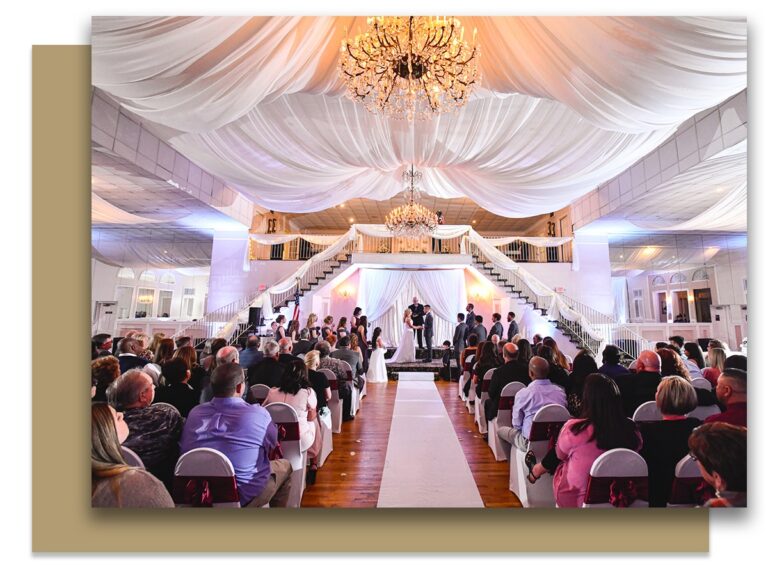
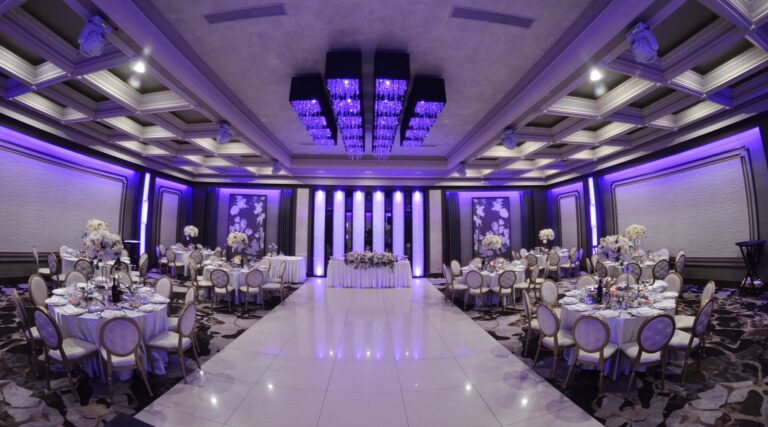
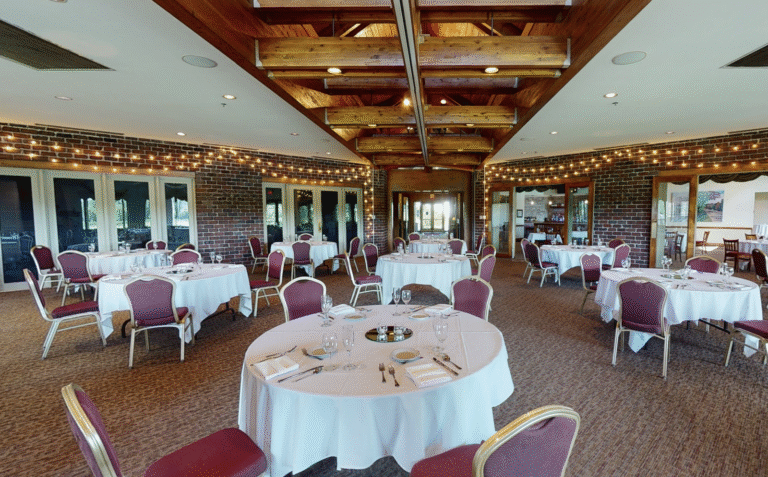
When choosing a wedding venue in NOLA or any other location, consider guest flow, vendor access, weather backup plans, and proximity between ceremony and reception areas. A good venue reduces friction. It supports your timeline instead of fighting against it.
If your ceremony and reception are at different locations, account for traffic and transportation gaps. Make sure your guests aren’t left waiting without clear direction.
Don’t Skip the Rehearsal
Rehearsals aren’t just for practicing the aisle walk. They are for preventing micro-delays on the actual day.
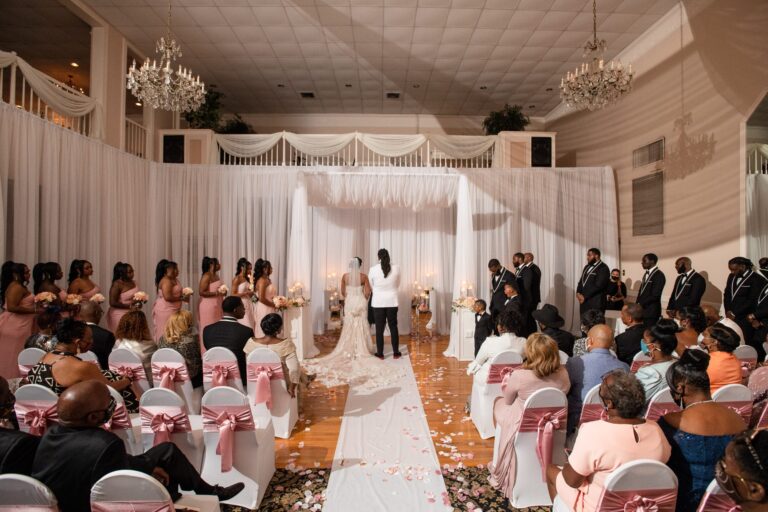
Rehearsals give your officiant, bridal party, and family members a clear sense of where to be and when. This avoids awkward pauses and whispering cues during the ceremony.
Rehearsals also surface overlooked details: where people will stand, when music cues should start, how long a walk takes.
It’s a small investment of time that pays off in smooth transitions.
Mind the Emotional Transitions
Emotions rise and fall throughout the day. From excitement in the morning, to nervousness before the ceremony, to exhaustion after dancing, it’s all part of it.
Your wedding day planning should make space for these shifts.
Schedule quiet time with just your partner before the reception. Plan a small moment alone before walking down the aisle. These emotional pauses are grounding. They make the day feel full instead of fast.
Feed People Before They Get Hungry
This applies to you and your guests.
No one remembers the flower arrangements if they’re lightheaded and irritated.
Plan meals or snacks throughout the day, especially for the wedding party. If your ceremony is late in the afternoon, guests will appreciate a small refreshment table or welcome drinks while they wait.
For you and your partner, assign someone to bring you a plate during the reception. You’ll be surprised how easily you forget to eat.
Vendors Need Clear Communication
Great vendors don’t need micromanaging, but they do need clarity.
Send your final timeline to every vendor at least a week in advance. Include contact information, arrival times, setup expectations, and who they should talk to on the day.
Don’t assume they remember every detail from earlier conversations. The best way to ensure things go smoothly is to remove guesswork.
Let Go, On Purpose
Here’s a truth that can be hard to accept: Something will not go according to plan.
Maybe it’s a delay. Maybe the weather changes. Maybe someone forgets their speech.
Your power lies in how you respond. If you’ve done the hard work of wedding day planning with flexibility and clarity, you’ve created a structure that can absorb small shocks.
Let go of the need for every detail to be perfect. Focus on the people, the moments, and the joy you can feel right now.
Small Touches That Add Big Calm
A few extra details can turn a good plan into a seamless experience.
- Pack an emergency kit: safety pins, band-aids, a mini sewing kit, painkillers, and snacks.
- Create printed timelines for the bridal party.
- Ask someone to capture behind-the-scenes moments with their phone, things a professional photographer might miss.
- Build in 5 minutes of private time post-ceremony to breathe together before you enter the reception.
The Day is About the Experience, Not the Execution
You won’t remember every detail. But you’ll remember how the day felt.
Wedding day planning is not about creating a flawless event, it’s about crafting a day that holds space for love, connection, and presence. If you plan with this in mind, the details will follow.
In the end, the most beautiful weddings aren’t the ones that go perfectly. They’re the ones where the couple is truly present.
And that kind of presence starts long before the music plays. It starts with thoughtful planning, guided not just by timelines, but by intention.